 English
 Español

.jpg?imageView2/2/format/jp2 "AH-0035 Super Plush Blue Modern Armless Lounge Chair With Rectangle Tufted Pattern")
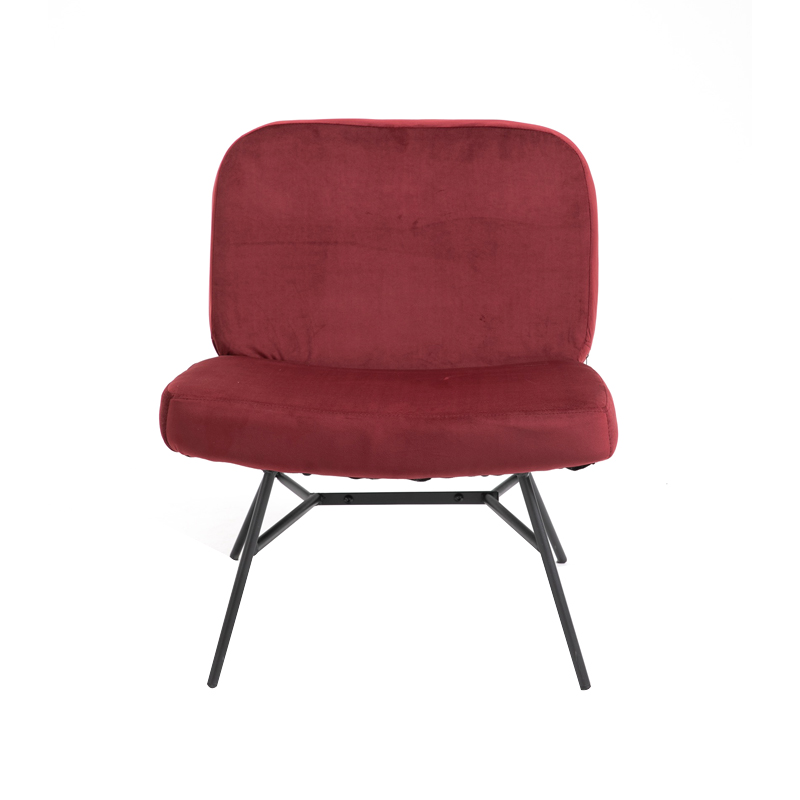
-gh2a1712.jpg?imageView2/2/format/jp2 "AH-0040 Modern Rounded Rectangle Backrest Armless Lounge Chair In Lambs Wool")
.jpg?imageView2/2/format/jp2 "AH-1018 Nordic Style Dining Chair With Straight High Armrest")
.jpg?imageView2/2/format/jp2 "AH-1029 Armless Dining Chair With Contrasting Stitch Seam And Cross Hatch Pattern Seat Back")
-1.jpg?imageView2/2/format/jp2 "AH-1032 Dining Chair With Rustic Cross Stitch Seam Detail And Technological Velvet")
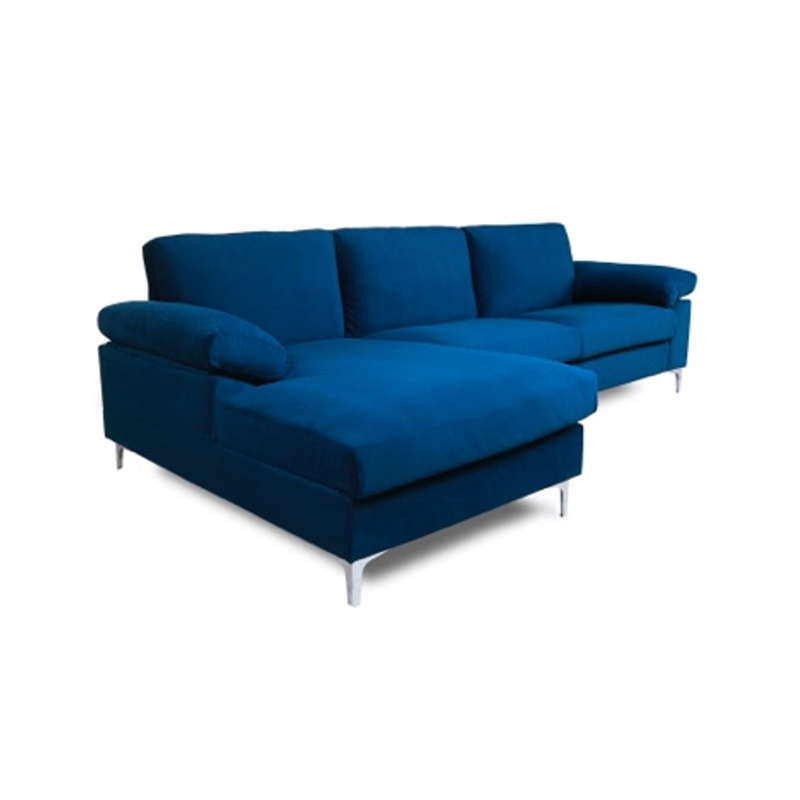
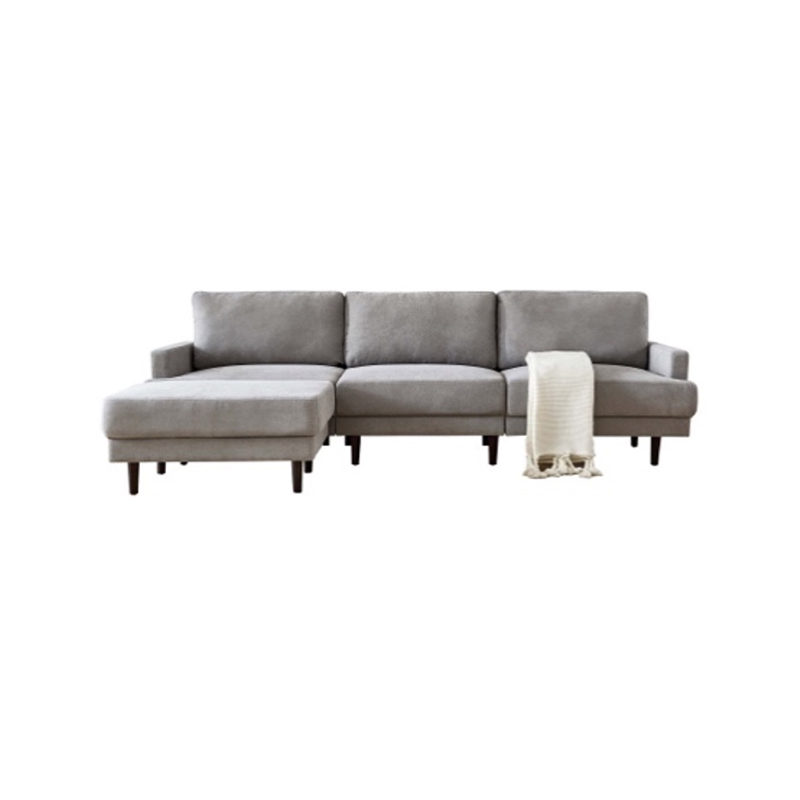
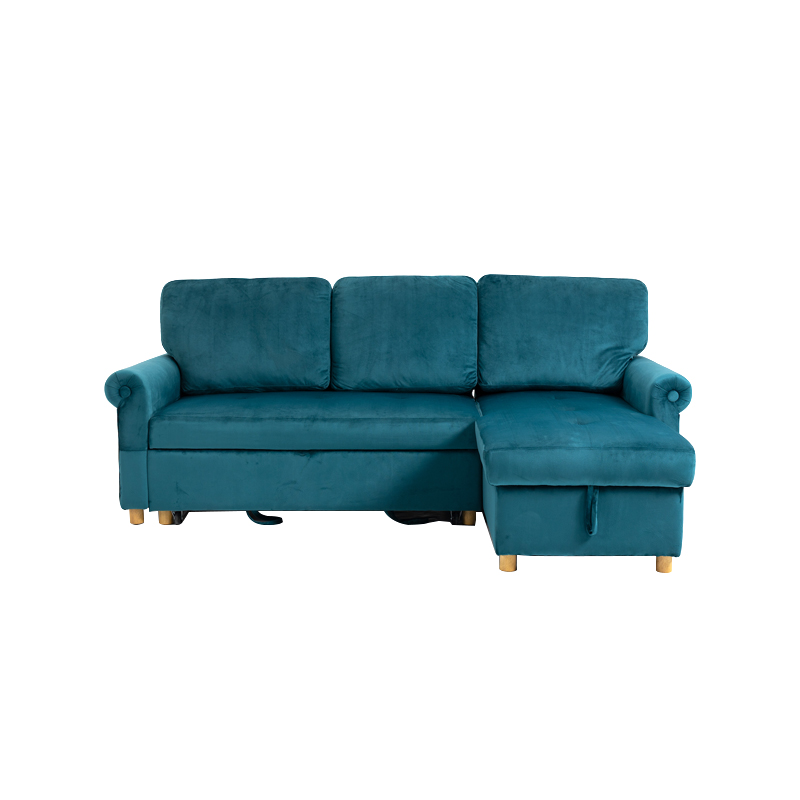
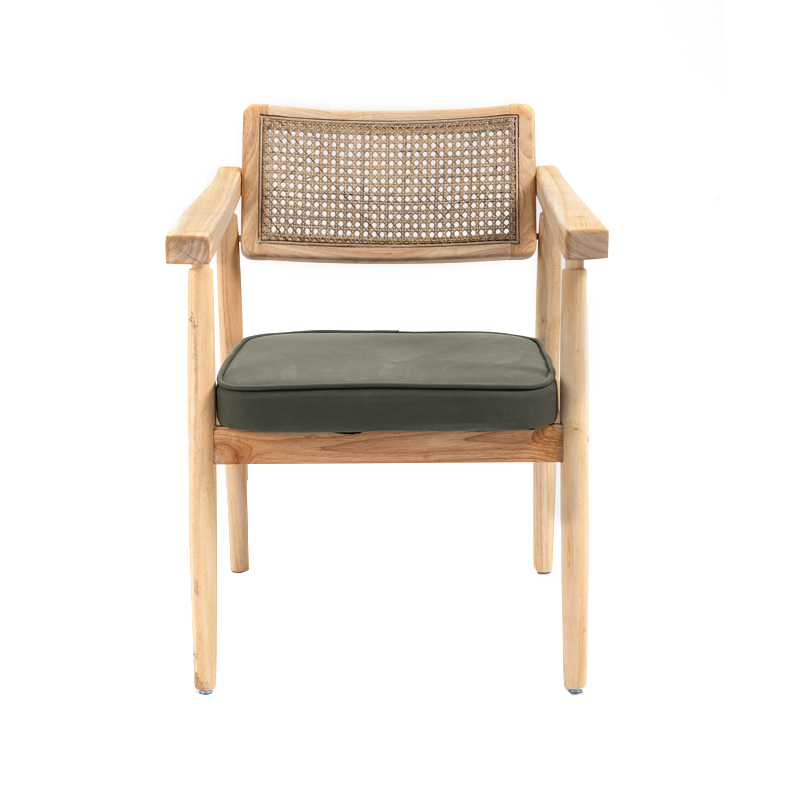
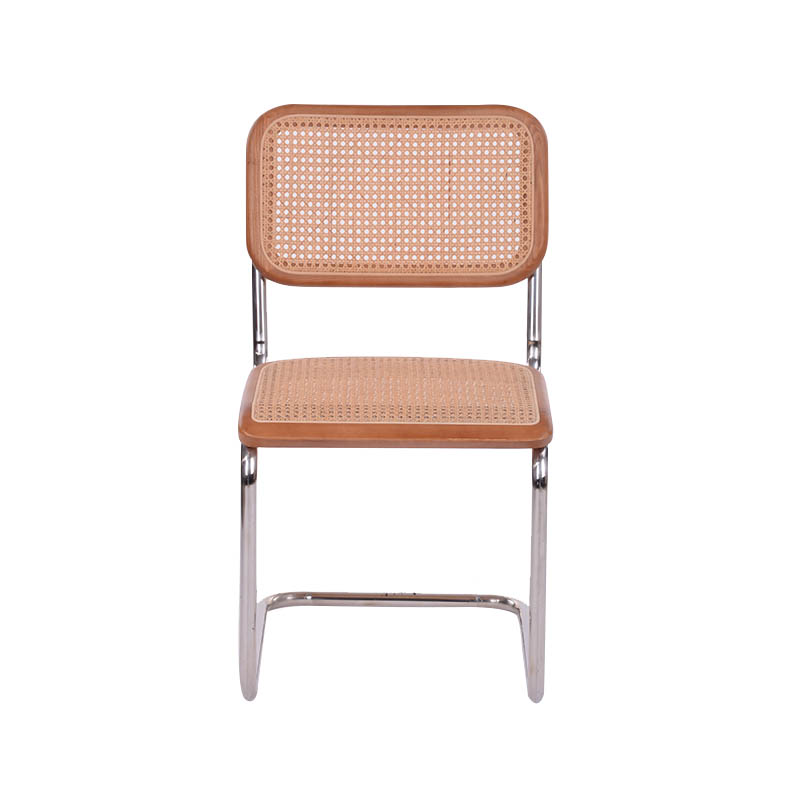
-57.jpg?imageView2/2/format/jp2 "AH-2039 Classic Bent Tubular Steel Breathable Multi-use Flexible Wicker Weave Chair")
In the world of home decor, details determine success or failure. As an important social place in the home, choosing the...
READ MORECONTACT
- Tel : +86-13587220075
- Mobile : +86-18658616868
- Email : Fisher@anhuifurniture.com
- Address : Anji Baishuiwan Industrial Park, Huzhou City, Zhejiang Province, China.
Household Furniture Manufacturers
About Us
Anji Anhui Furniture Co., Ltd.
Anji Anhui Furniture Co. Ltd is professional China Household Furniture Manufacturers and Household Furniture factory, founded in response to a need for consistent quality and innovative designs in the furniture industry. Our team comprises people with shared values with a combined background experience spanning more than a decade.
News
-
-
Several trends are influencing the design and demand for steel leg barstool: Industrial and Minimalist AestheticsThe ind...
READ MORE -
Ah, the corner sofa – the cozy centerpiece of your living room, the throne of Netflix binges, and the perfect spot for f...
READ MORE -
When it comes to restaurant design, every detail counts. The right dining side chair can make or break the overall aesth...
READ MORE
Message Feedback
Product Industry knowledge
How did household furniture evolve from function to fashion?
From the earliest days of civilization, household furniture has played a crucial role in shaping the way we live. It has evolved from being purely functional to becoming a statement of style and luxury.
In the beginning, furniture served a purely practical purpose. Ancient civilizations used rudimentary forms of furniture such as stone benches, animal skins for seating, and wooden tables for dining. As societies advanced, so did furniture, with the introduction of more sophisticated designs and materials. For example, during the Renaissance period, furniture became a symbol of wealth and power, with ornate carvings and intricate details adorning pieces in the homes of the elite. This shift marked the beginning of furniture as a status symbol, representing one's social standing and taste.
The industrial revolution brought about a significant change in the production and accessibility of furniture. Mass production techniques made furniture more affordable and available to a wider population. The focus shifted from purely ornate pieces to functional and practical designs that catered to the needs of the growing urban middle class. Styles such as Art Deco and Bauhaus emerged, emphasizing clean lines, geometric shapes, and a blend of form and function. Furniture became an expression of modernity and efficiency, mirroring the fast-paced lifestyle of the time.
In the present day, household furniture has become a reflection of personal style and individuality. With the rise of social media and home decor influencers, there is a growing emphasis on curated living spaces and unique furniture pieces that reflect the owner's personality. Sustainable and eco-friendly furniture is also gaining popularity, as consumers become more conscious of their environmental impact. Additionally, multifunctional furniture designed for small living spaces has become a necessity in urban areas, blending practicality with innovative design.
The evolution of household furniture mirrors the evolution of human society itself. From basic utility to a symbol of status, functionality, and individual expression, furniture has continuously adapted to reflect the needs and desires of each era. As we look to the future, it is clear that household furniture will continue to evolve, driven by technological advancements, changing lifestyles, and a growing emphasis on sustainability and personal expression.
 Anji Baishuiwan Industrial Park, Huzhou City, Zhejiang Province, China.
 +86-13587220075
 Fisher@anhuifurniture.com
Wholesale Household Furniture Manufacturers
Copyright © Anji Anhui Furniture Co., Ltd. All Rights Reserved
